Preparing Doctors for Bali: UNBI’s Steps Toward Medical Education with a Focus on HIV/AIDS
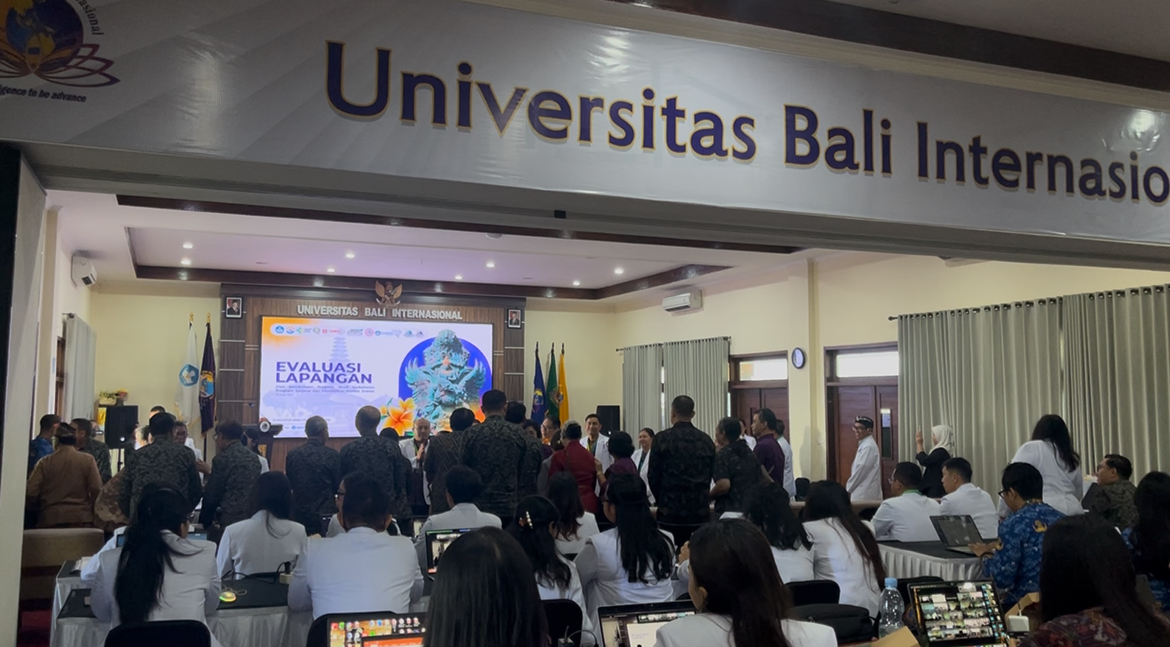
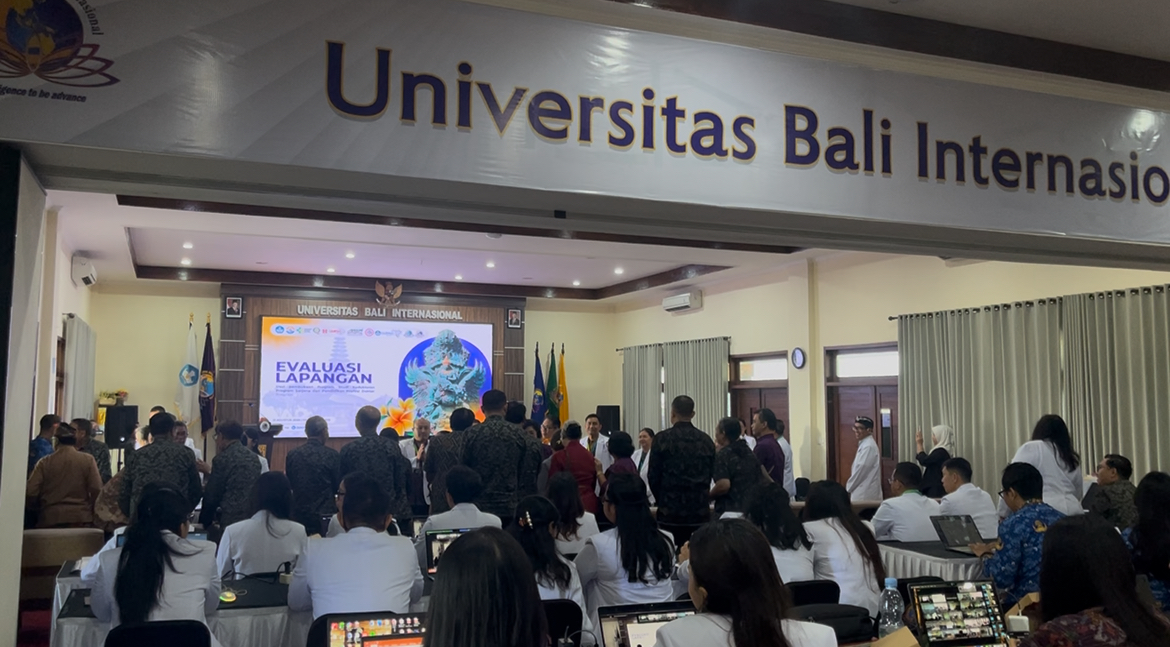
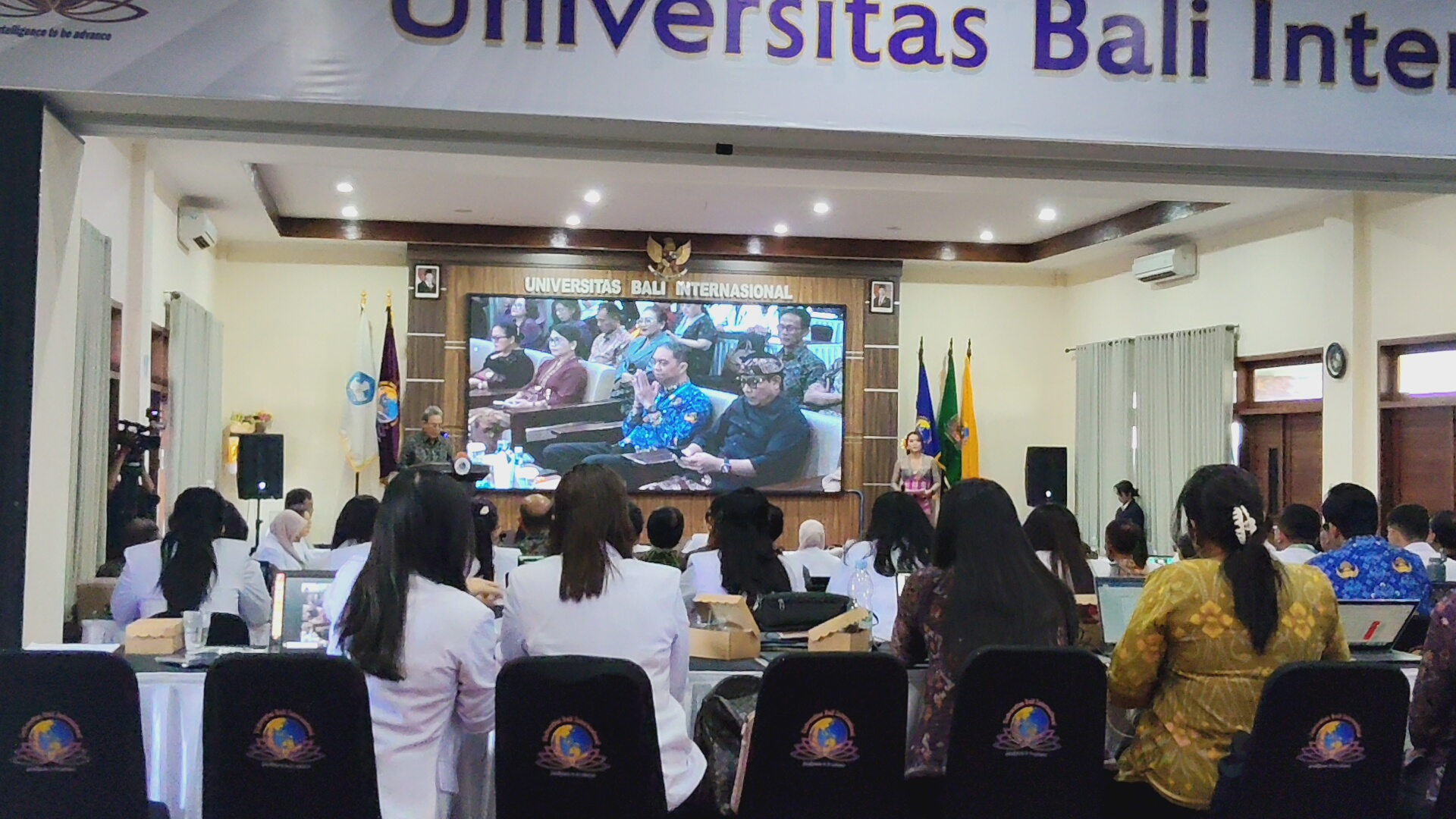
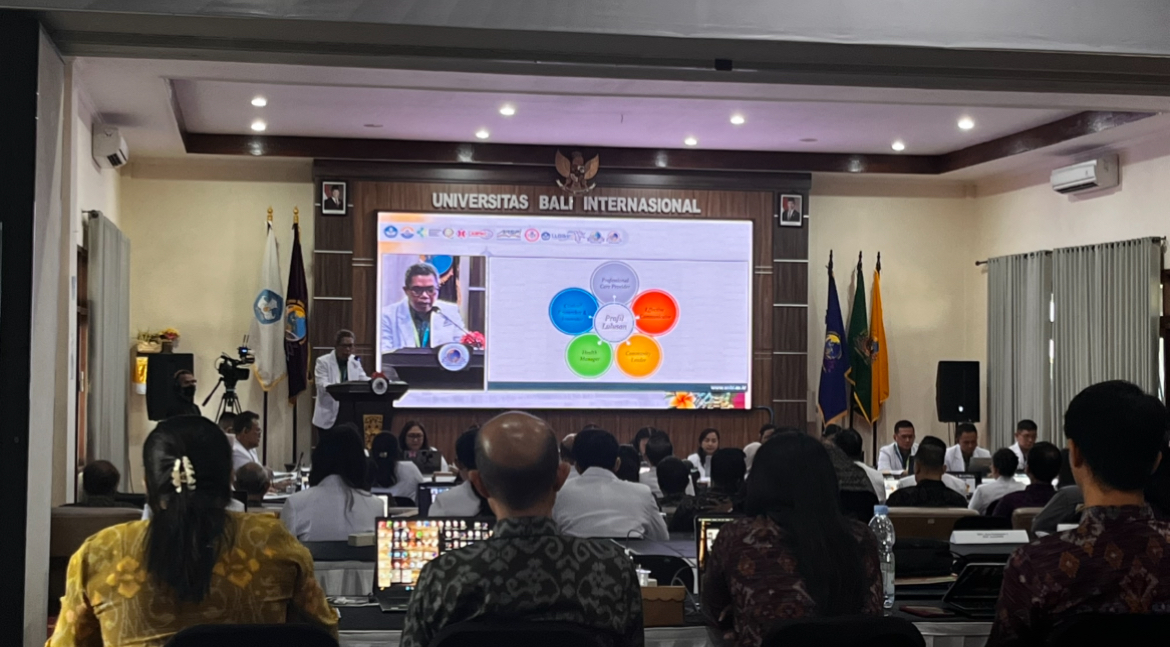
DENPASAR – Auditorium Bali International University (UNBI) served as the venue for the on-site evaluation of the proposal to launch the Undergraduate Medical Program and the Professional Medical Education Program on Thursday, August 13, 2026. The event was held both in person and virtually as part of the process leading to the establishment of medical education at UNBI.
For UNBI, this plan is more than just the addition of a new program. According to the university administration’s presentation, the university’s journey in the field of health began with the development of a health institution that later evolved into Bali International University. This background forms one of the foundations of UNBI’s commitment to continue developing education in the health sector, including through the planned establishment of the Faculty of Medicine.
During the on-site evaluation, UNBI outlined the various preparations that have been made while acknowledging that there are still areas that need improvement. Feedback from the various parties in attendance played a crucial role in this process.
More Than Just Opening a School of Medicine
The plan to open the UNBI Faculty of Medicine carries a rather specific vision: to establish a medical education program with a distinct focus on tourism medicine, while strengthening efforts to promote HIV/AIDS prevention and control.
This vision is reflected in the UNBI School of Medicine’s mission: to become a leading, culturally rich, and competitive school in the field of medical tourism at the national and international levels by 2035.
This specialization goes beyond the vision. In its presentation on the Medical Education Program, UNBI aims to produce graduates who are professional, competent, and globally competitive, with a focus on HIV/AIDS promotion and prevention within the tourism medicine ecosystem.
This choice is also grounded in the context of Bali. In the presentation materials, UNBI highlighted the persistently high number of HIV/AIDS cases in Bali and other tourist destinations as one of the factors supporting the proposed Faculty of Medicine’s areas of excellence. In addition, the presence of experts in HIV/AIDS and medical tourism, Bali’s status as a tourist destination, and the support of various stakeholders were also cited as strengths that can support the development of this area of excellence.
Thus, the medical education program designed by UNBI is focused not only on curative skills but also on how future doctors can play a role in prevention and health promotion, particularly regarding HIV/AIDS.
Four Pillars in Place
To realize this vision, the UNBI Faculty of Medicine has established four key areas through the faculty’s mission and academic programs: education, research, community service, and governance.
In the area of education, the Medical Education Study Program is designed using a learning-outcome-based, integrated approach that aligns with global standards. HIV/AIDS promotion and prevention are also incorporated as part of the educational direction.
Meanwhile, the research area is focused on evidence-based research that can support HIV/AIDS promotion and prevention efforts. In the area of community service, the program plans to provide health services and education using a similar approach.
These four pillars are further complemented by a governance framework that prioritizes accountability, transparency, a quality-oriented approach, and the strengthening of national and international partnerships. This framework is also supported by a management structure that has already been established. In the management plan for the Bachelor of Medicine Program, Dr. I Komang Putra Adnyana, Sp.MK is listed as the program chair, and Dr. Putu Teja Laksana Nukana, Sp.B, as the program secretary. Meanwhile, the Professional Doctor Program is led by Dr. Ida Ayu Gede Pramahamsa, Sp.B, M.Biomed, as the program chair.
Growing Before Moving Forward
Plans to open a Faculty of Medicine are also part of UNBI’s development as a university. According to the university administration’s presentation, UNBI’s student enrollment has increased over the past five years. In the 2021–2022 academic year, there were 267 students, which rose to 331 students in 2022–2023, 359 students in 2023–2024, and 362 students in 2024–2025. This number is projected to rise again to 525 students in the 2025–2026 academic year.
In terms of academic resources, UNBI also outlined the composition of its faculty’s functional positions, which consist of 3 full professors, 5 senior lecturers, 41 lecturers, 24 assistant experts, and 51 faculty members who do not yet hold functional positions.
These data form part of the institutional readiness assessment presented during the on-site evaluation. However, for UNBI, the journey toward medical education certainly does not end with meeting administrative and academic requirements. There is a longer-term vision to be built.
If this plan comes to fruition, the UNBI Faculty of Medicine will not only become a new hub for medical education but also play a role in addressing health needs related to Bali’s status as a tourist destination.
Ultimately, the on-site evaluation on August 13 was not merely about assessing what UNBI had prepared. More than that, this moment provided an opportunity to see to what extent the vision of a medical education program that is excellent, culturally rich, competitive, and uniquely focused on tourism medicine can be tangibly realized.
The path toward establishing the UNBI Faculty of Medicine is still a work in progress. However, from the ideas presented, one direction has begun to emerge: to produce doctors who are not only capable of treating diseases but also focus on prevention and health promotion amid the dynamics of Bali as a tourist destination.
LAINNYA DARI UNBI
ADBISPRENEUR 2026 HOSTS A SEMINAR ON FINANCIAL LITERACY AND INVESTING FOR PARTICIPANTS
UNBI National Seminar Promotes Collaborative Strategy with BPJS Kesehatan to Ensure Quality Services