UNBI National Seminar Promotes Collaborative Strategy with BPJS Kesehatan to Ensure Quality Services
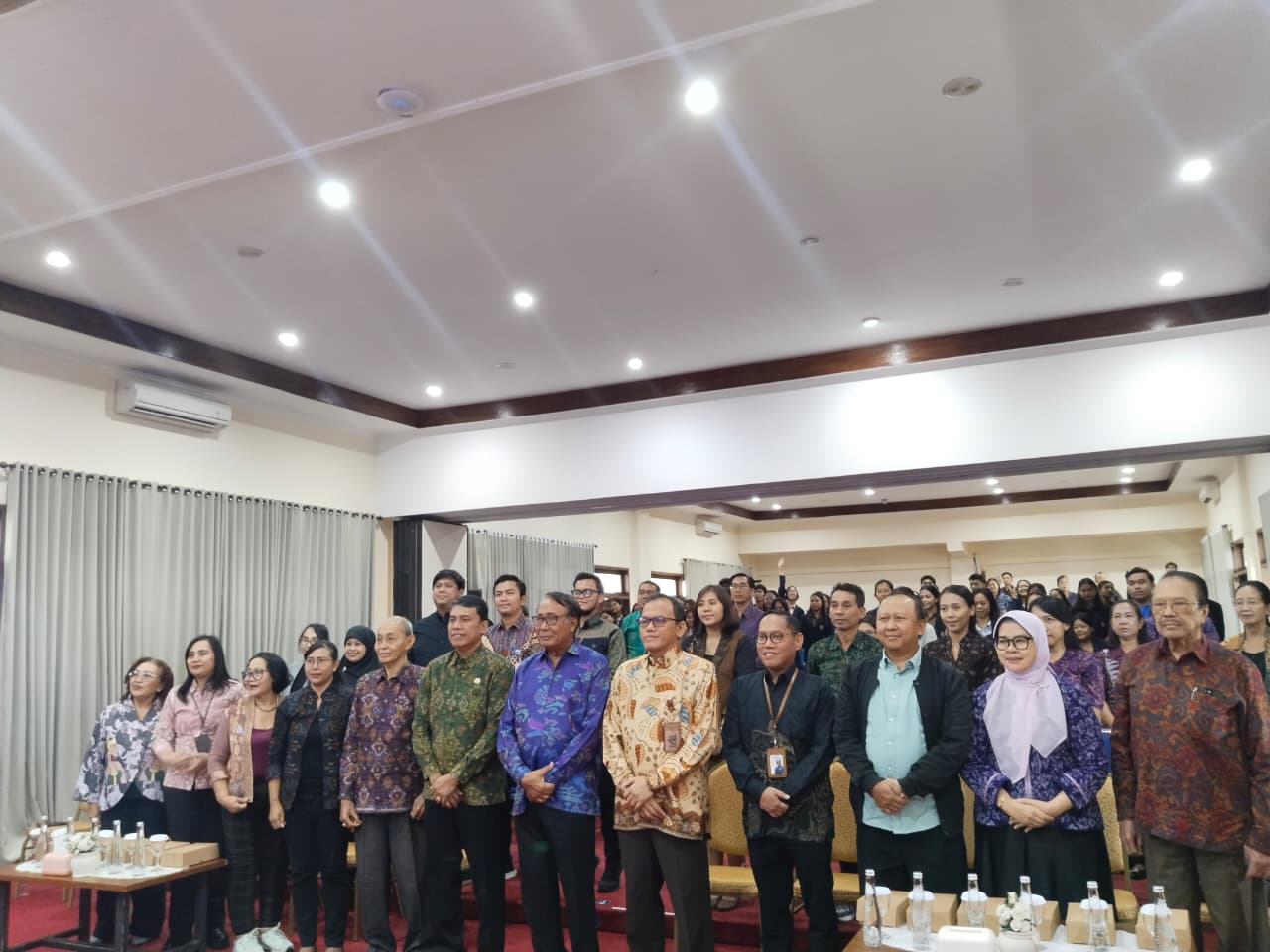
Bali International University (UNBI) once again demonstrated its academic commitment by hosting a National Seminar titled "Collaborative Strategies and Challenges in Sustainable Development Toward Quality BPJS Services" on Friday, July 3, 2026. This academic event was organized as a forum for discussion between the academic community and the national health insurance provider to address the future challenges facing Indonesia’s healthcare system.
The event officially began with a warm welcome from the UNBI Rector. In his remarks, he expressed high hopes that the collaboration between BPJS Health and UNBI would continue and remain sustainable in the future. The remarks were followed by a speech from the Director of Planning and Development at BPJS Kesehatan, Dr. dr. Sutopo Patria Jati, M.M., M.Kes., who was present in person as one of the keynote speakers at the seminar. The occasion became even more special with the signing of a Memorandum of Understanding (MoU) and a Memorandum of Agreement (MoA) between UNBI and BPJS Kesehatan, followed by the exchange of commemorative gifts as a symbol of the strengthened partnership between the two parties.
Session I: The Transformation of BPJS Kesehatan from Quantity to Quality
The national seminar, moderated by apt. Dr. I Gusti Ayu Rai Widowati, S.Si., M.Kes., featured two expert speakers in their respective fields. In the first session, Dr. dr. Sutopo Patria Jati, M.M., M.Kes., presented material on policy exploration, digitalization, and the strengthening of the national health ecosystem in line with the vision of the National Health Insurance (JKN) program. In his presentation, Dr. Sutopo noted that the JKN program has now successfully covered 285.4 million participants, with an active participant card rate of 79.02%. According to him, the JKN program not only improves public health but also plays an active role as an economic driver and a safeguard for sustainable social welfare. Furthermore, he explained that BPJS Kesehatan is actively pursuing digitalization as the cornerstone of future services. This digitalization serves as a concrete effort to make it easier for the public to access health service information. Some of the optimized digital innovations include:
1. Mobile JKN as the primary platform at participants’ fingertips.
2. Pandawa for the centralization of face-to-face services online.
3. The 165 Call Center and the provision of JKN Self-Service Kiosks at various healthcare facilities.
Although digital development is progressing rapidly, Dr. Sutopo highlighted several major challenges looming over Indonesia’s healthcare system in the future. These challenges revolve around the issues of an aging population (aging population) and longevity (life expectancy), a surge in non-communicable diseases, inflation in medical costs and healthcare technology, and disparities in access to services in rural areas. He even cited medical evidence that even 25-year-olds are now at risk of developing chronic diseases if they do not adopt a healthy lifestyle early on. Additionally, there are structural challenges in health financing driven by the still-low rate of participants actively paying their premiums. In response to these complex challenges, BPJS Kesehatan is currently transforming from a volume-based financing system (volume-based)—which emphasizes the quantity of services—to a value-based system (value-based) that focuses entirely on quality and patient recovery. This policy transformation is expected to curb cost inflation while ensuring that every patient receives appropriate, efficient, and effective medical care.
Session II: Readiness of Healthcare Facilities and the Need for Digital Human Resources
Moving into the second session, the discussion continued with Dr. I Gusti Ngurah Putra Dharma Jaya, M.Kes., Director of Bali Mandara Regional General Hospital. He presented on the hospital’s readiness to address standardization and the transformation of BPJS services. To begin his presentation, Dr. I Gusti Ngurah Putra Dharma Jaya introduced the profile of Bali Mandara Regional General Hospital along with its flagship services, such as integrated cancer care, central surgical services, Medical Check-Up (MCU), traditional health services, integrated laboratory services, and radiology facilities. In the face of the digital transformation trend, Bali Mandara Regional General Hospital is reportedly continuing to strengthen the foundation for implementing iDRG and the BPJS claims system through various integrated digital tools. Some of the tools optimized by the hospital include:
1. Electronic Medical Records (EMR) and the SatuSehat system
2. The BPJS Bridging System and biometric implementation.
3. Optimization of the hospital’s service quality dashboard.
At the end of the session, he also highlighted the urgency of ensuring that college graduates in the health field are well-prepared. He emphasized the importance of mastering the digitalization capabilities and skills required in hospitals for future healthcare professionals. He expressed his hope that graduates will be able to fully implement healthcare digitalization processes—not only for their own professional development but also to advance hospital management and the quality of care for the broader community. Through this seminar, UNBI hopes that close synergy between the education sector and national health insurance agencies will continue to flourish. This collaborative effort is expected to produce a new generation of healthcare professionals who are prepared and responsive to the challenges of healthcare transformation in Indonesia.
(Authors: Witari & Tricha)
LAINNYA DARI UNBI
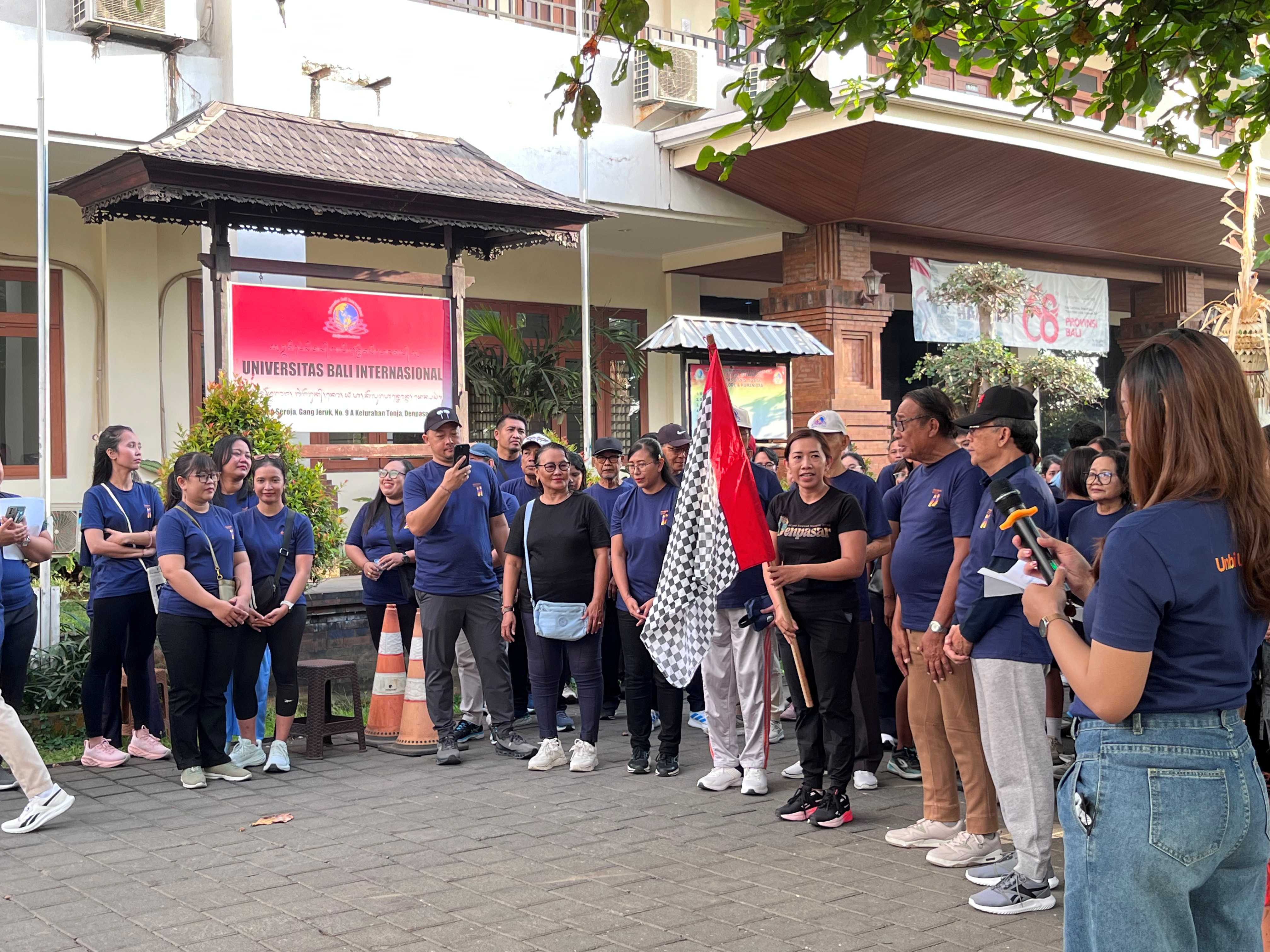
CELEBRATIONS FOR UNBI’S 11TH ANNIVERSARY: PROMOTING “NEW VISION, DRIVING PROGRESS” THROUGH EVENTS RANGING FROM A FUN WALK TO THE UNBIPRENEUR EXPO 2026

UNBI’s 2026 PKKMB CLOSED ON A HIGH NOTE; NEW STUDENTS LEARNED ABOUT ORGANIZATIONS AND SHOWCASED CULTURAL CREATIVITY