FUTURE HEALTHCARE PROFESSIONALS CAN’T JUST KNOW ABOUT MEDICINES
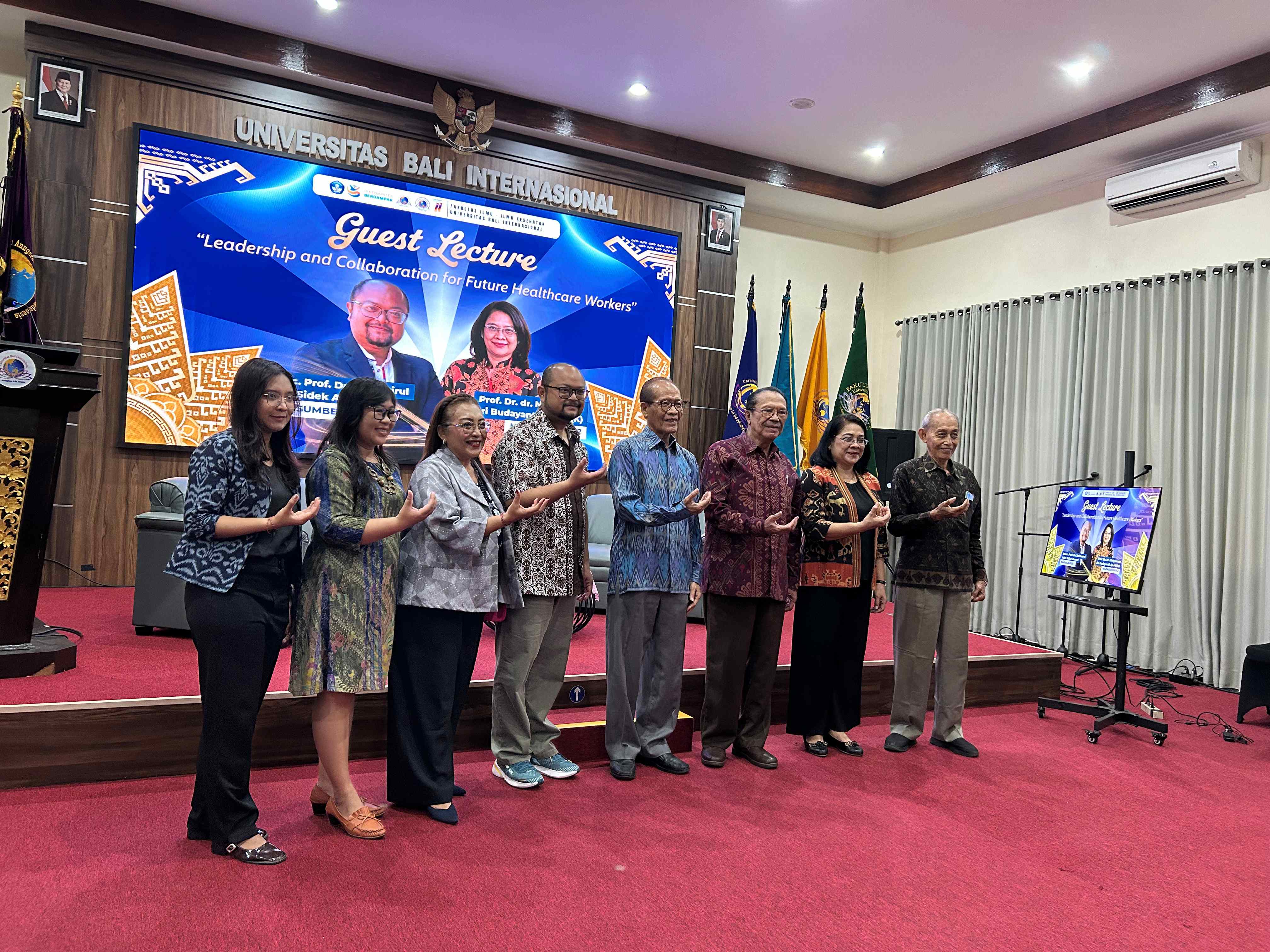
DENPASAR - Tuesday, October 13, 2026 A guest lecture was held by the Faculty of Health Sciences (FIIK) both online and in person in the auditorium of Bali International University (UNBI). With the theme Leadership and Collaboration for Future Healthcare Workers, the event was moderated by Ms. Ni Komang Semara Yanti, S.KM., MPH, along with two speakers who are experts in their respective fields. The first session, titled “Leading with Purpose: Developing Leadership Skills for Future Healthcare Providers,” was led by Assoc. Prof. Dr. Zulkhairul Naim Sidek Ahmad, an Associate Professor and Head of the Department of Medical Education at Universiti Malaysia Sabah (UMS).
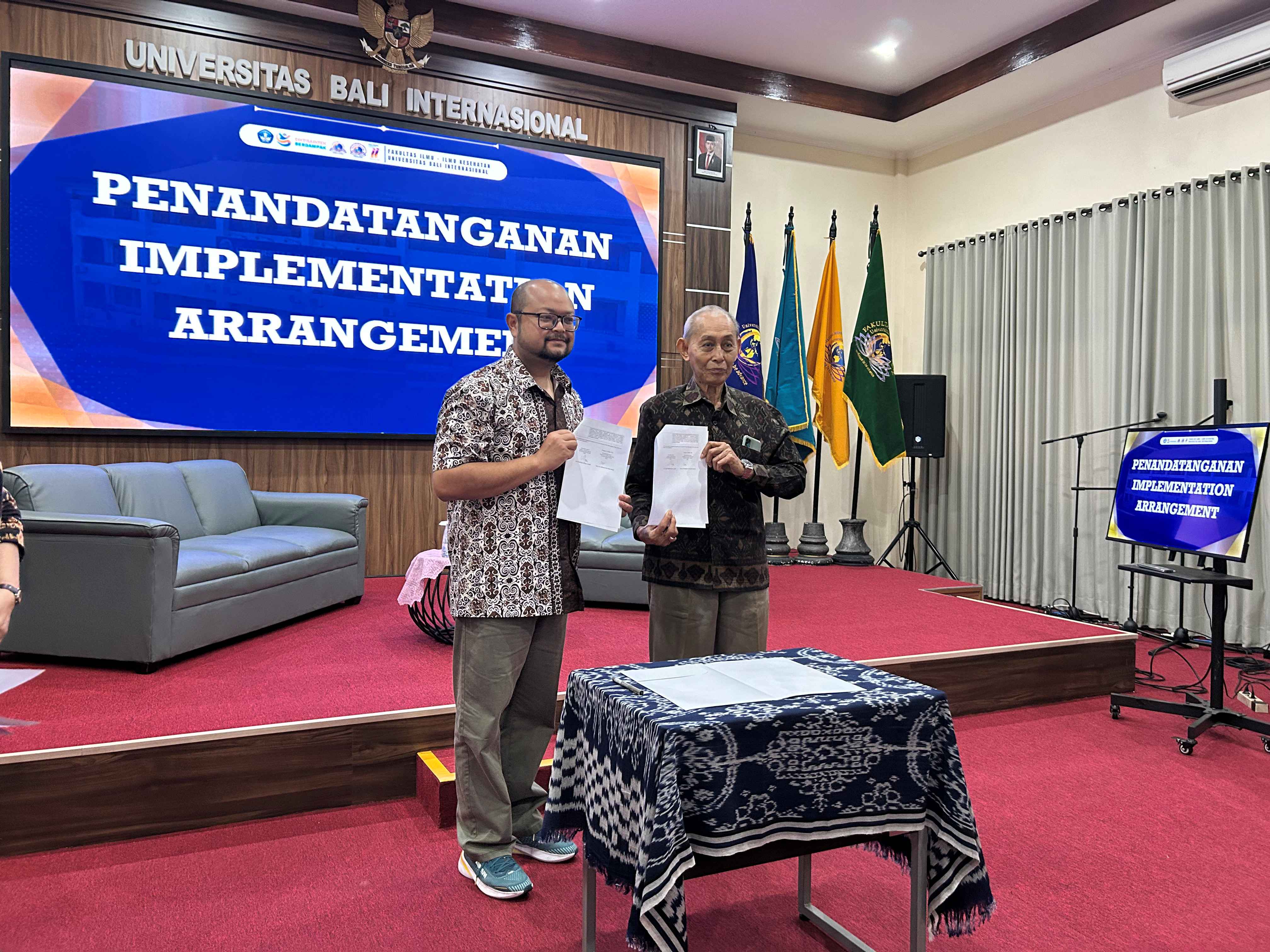
On this occasion, Assoc. Prof. Dr. Zulkhairul Naim Sidek Ahmad discussed the importance of leadership for healthcare workers in addressing increasingly complex problems. These problems have many causes, cannot be resolved solely through diagnosis and treatment, and involve many stakeholders. For example, treating tuberculosis requires more than just administering medication; it also necessitates considering the patient’s living conditions, economic circumstances, and nutritional needs. These issues cannot be viewed from a single perspective; rather, healthcare workers must understand them comprehensively and not focus solely on medical aspects.
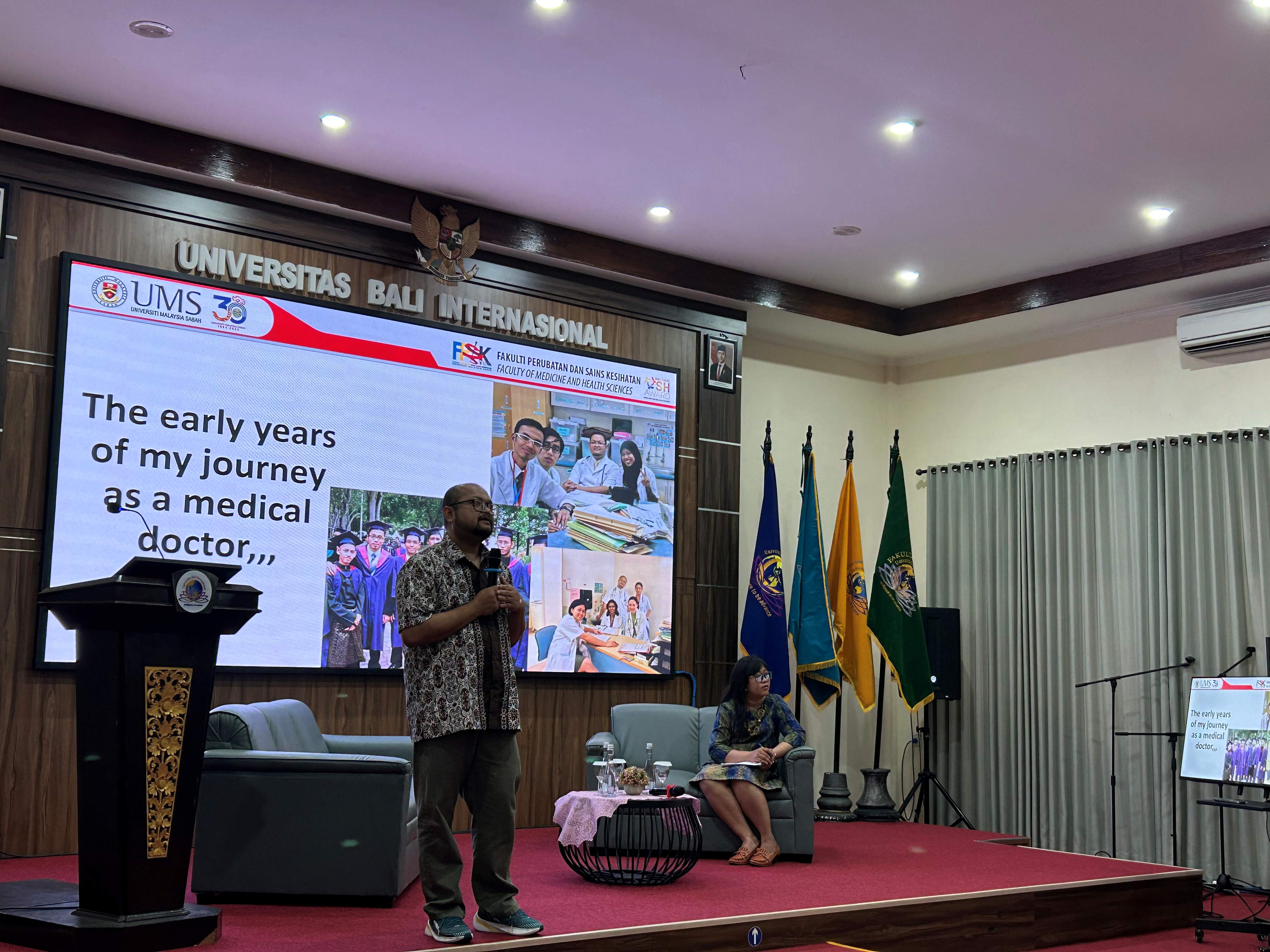
The increasing complexity of problems demands that leaders in the health sector possess the ability to make decisions in uncertain situations, think critically, adapt, and utilize technology and data appropriately. A leadership style that relies solely on commands and supervision is no longer sufficient to address interrelated problems. Collaborative leadership that involves various disciplines and sectors is needed. Assoc. Prof. Dr. Zulkhairul Naim Sidek Ahmad noted that one essential skill a leader should possess is interpersonal skills, or soft skills. How a leader communicates, negotiates, works in a team, understands others’ perspectives, and handles pressure can help aspiring healthcare professionals become better leaders. To develop interpersonal skills, a prospective leader can hone them through hands-on experience, organizational activities, group work, and community involvement.
According to Assoc. Prof. Dr. Zulkhairul Naim Sidek Ahmad, a leader with strong interpersonal skills is able to build public trust, understand the needs and characteristics of the community they serve. Information must be conveyed in a manner tailored to the community’s circumstances and using language that is easily understood. It is also important to involve community leaders or influential figures as part of efforts to increase acceptance of a health program. Thus, effective leadership depends not only on knowledge but also on the ability to build relationships, trust, and cooperation.
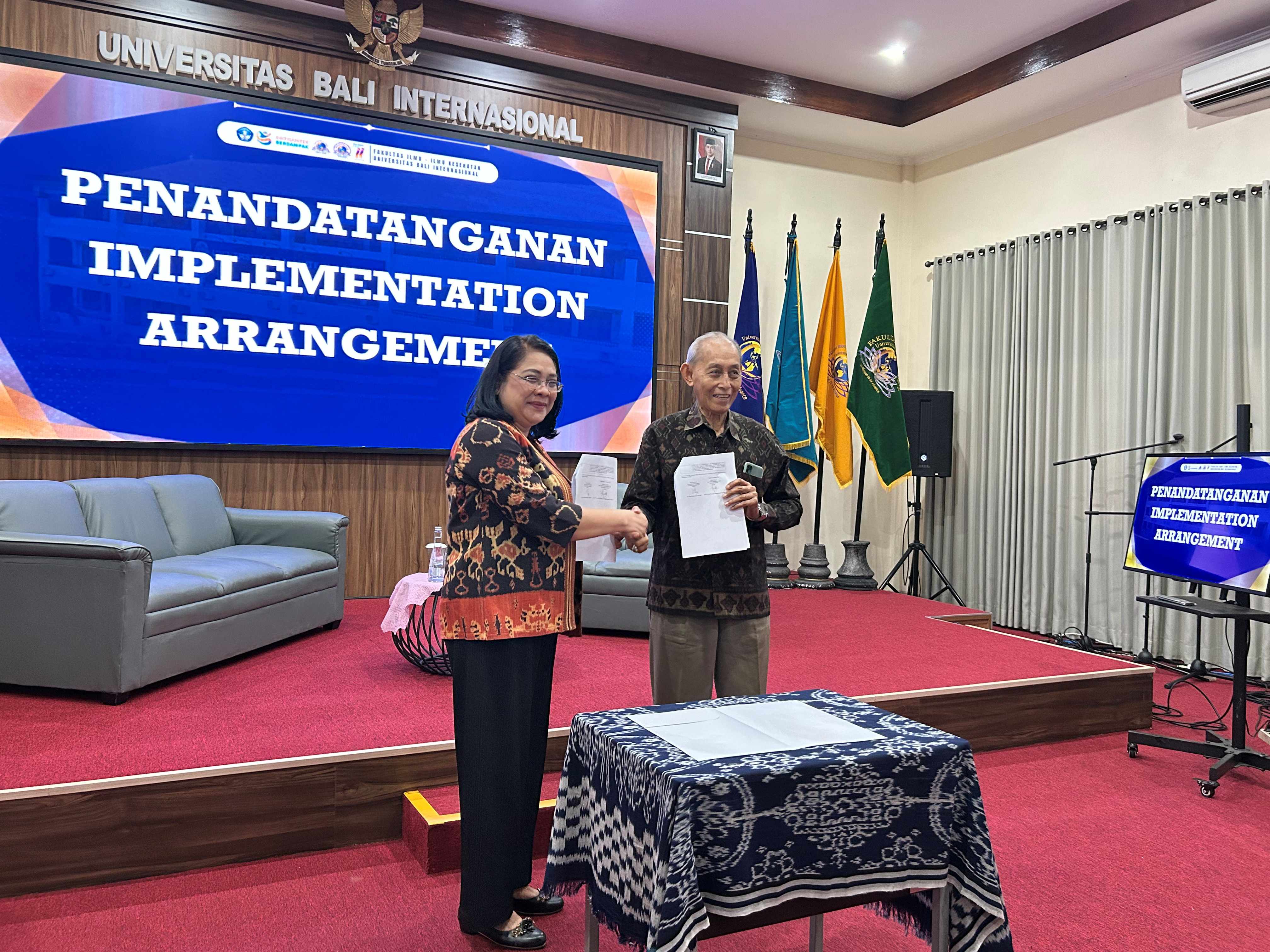
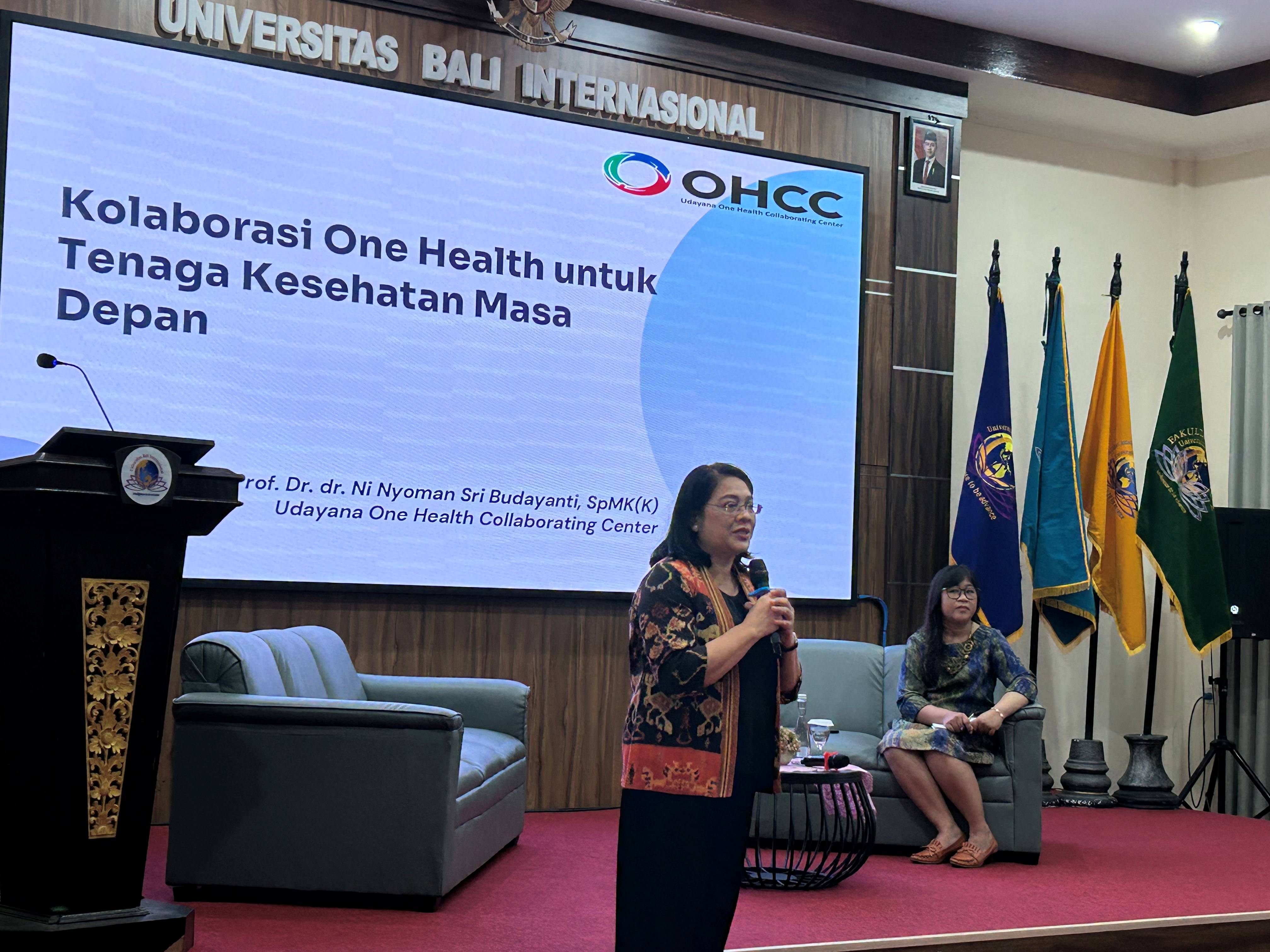
Building on the intense discussion from the first session, the topic “Beyond Teamwork: Building Effective One Health Collaboration” was also discussed during the guest lecture alongside the second speaker, namely Prof. Dr. dr. Ni Nyoman Sri Budayanti, Sp.MK(K). She is a clinical microbiology specialist, Full Professor, and faculty member in the Department of Clinical Microbiology, Faculty of Medicine, Udayana University (UNUD). In this session, the speaker discussed the One Health approach—an approach that connects human health, animal health, and environmental health. These three aspects are interrelated, so problems in one aspect can impact the others. Therefore, addressing health issues requires collaboration across disciplines and sectors.
The issue discussed is antimicrobial resistance (AMR). AMR occurs when microorganisms become resistant to antimicrobial drugs, making it more difficult to treat infections. This condition is triggered by the inappropriate use of antibiotics and poor waste management. The consequences can include an increased risk of treatment failure, death, higher treatment costs, and longer hospital stays. Therefore, waste management plays a crucial role in preventing the spread of AMR.
In the context of hospital waste, treatment through a wastewater treatment plant (WWTP) can help reduce the presence of certain bacteria before wastewater is discharged into the environment. However, this remains a challenge for small-scale farms located in residential areas that do not yet have adequate wastewater treatment facilities. Therefore, research and interventions tailored to local conditions are needed to prevent the contamination of rivers and community water sources.
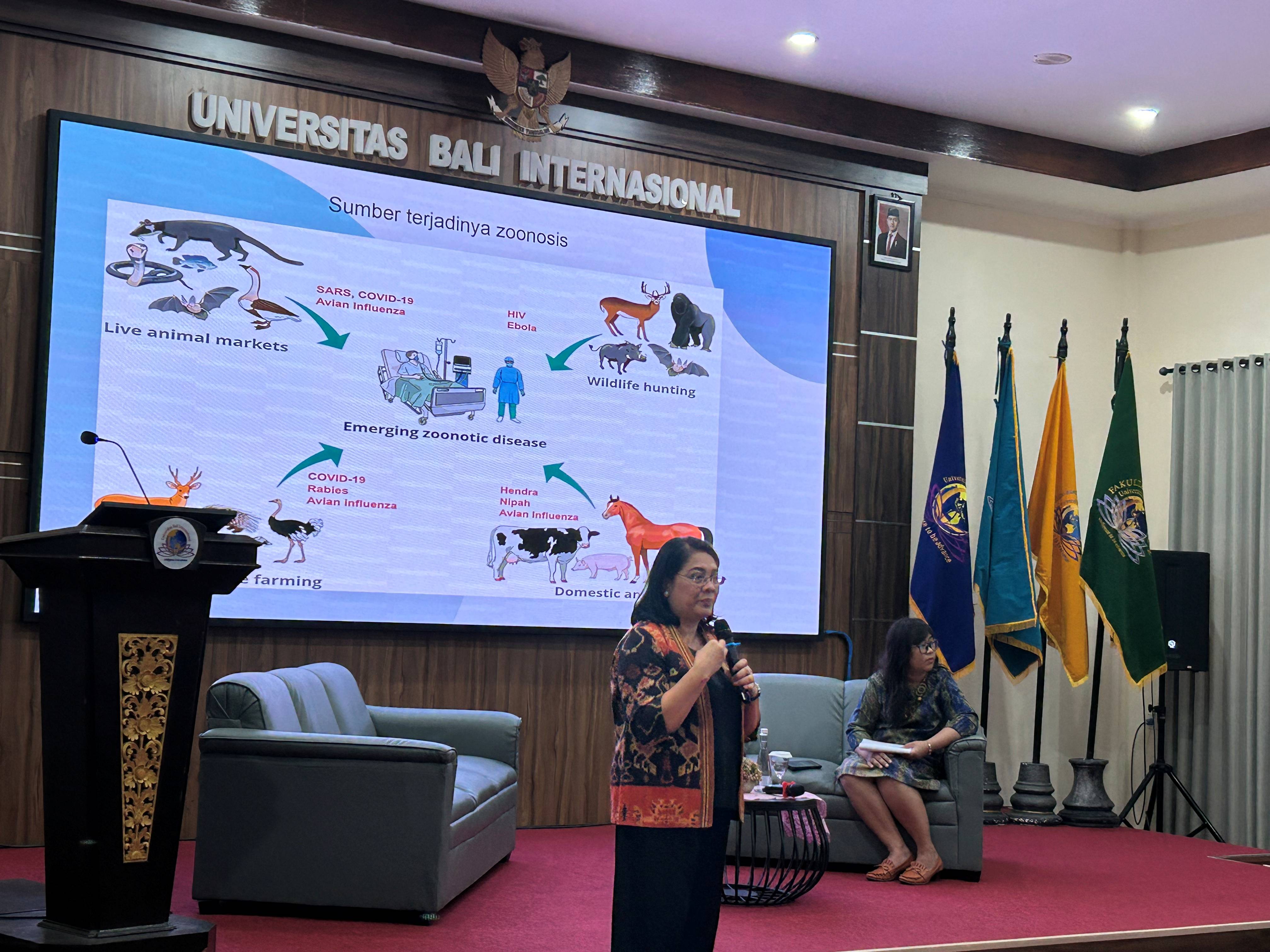
Prof. Dr. dr. Ni Nyoman Sri Budayanti, Sp.MK(K) also noted that the One Health approach is necessary in addressing other issues, such as zoonotic diseases, climate change, environmental degradation, and the impact of human activities on wildlife. Environmental changes can increase interactions between humans and animals and influence the risk of disease outbreaks. Thus, the protection of human health cannot be separated from animal health and environmental sustainability. However, the One Health approach also faces challenges in its implementation. Currently, the main challenge in implementing One Health is a mindset that still separates the fields of human health, animal health, and environmental health. Additionally, engaging the community takes time because each community has different cultures, interests, and priorities.
The success of the One Health program is not only related to scientific aspects but also to how communities can collaborate within it. Therefore, trust must be built so that communities are willing to participate and feel a sense of ownership over the programs being implemented. Building rapport with the community also hinges on the role of the government; healthcare workers, community leaders, and the community itself must be involved according to their respective needs and roles. Through effective communication, approaches tailored to local culture, and sustained collaboration, the program can be implemented and yield tangible results.
From the joint discussion with the two speakers, we can conclude that in this modern era, issues in the health sector have certainly become more complex. Problems cannot be viewed from just one perspective but must be examined from multiple angles. Therefore, we need leaders who are capable of observing, analyzing, taking appropriate actions based on the situation, and effectively communicating these actions to the public. This aligns with how leaders can implement the One Health program—an approach that integrates human health, animal health, and environmental health.
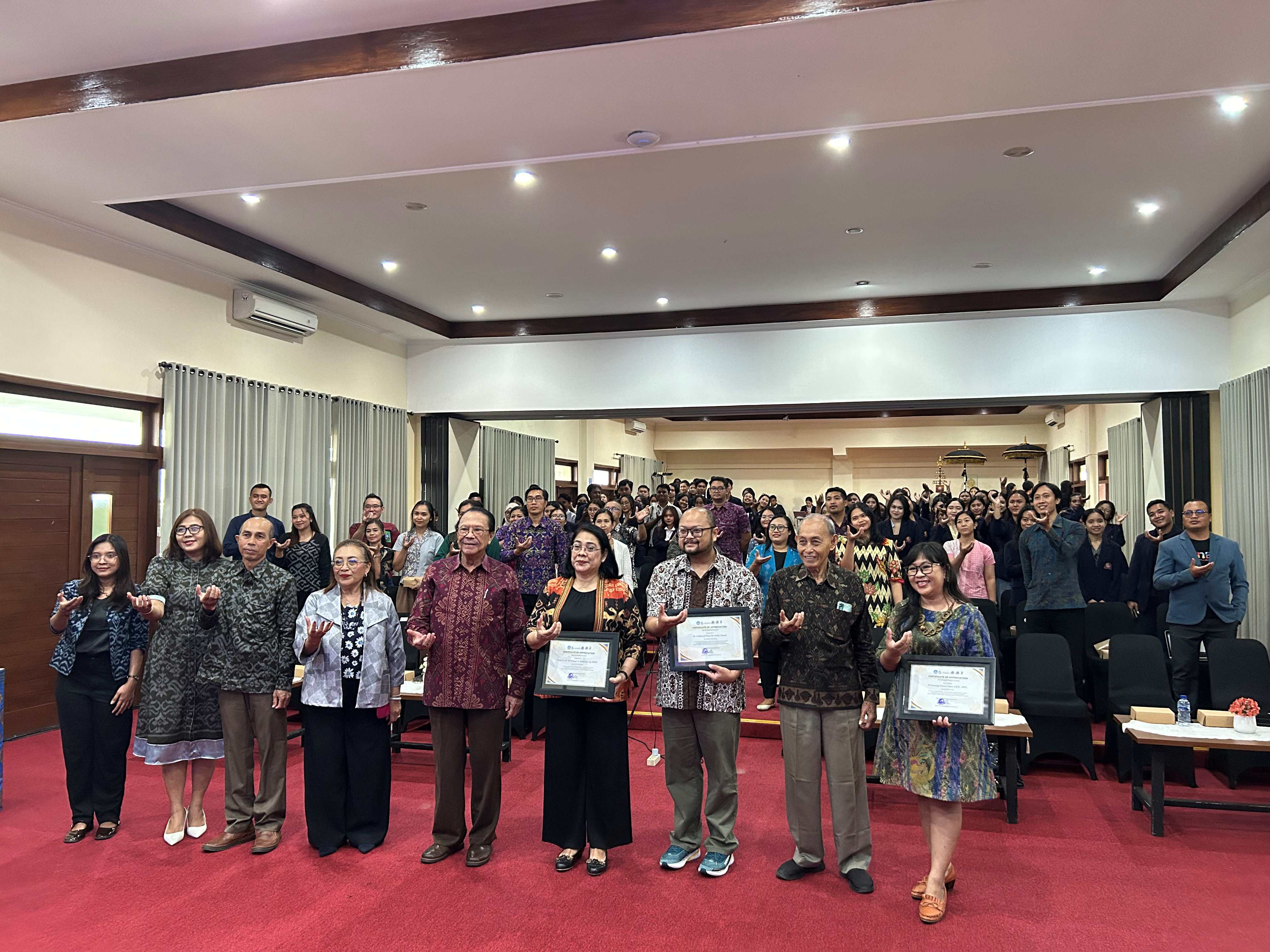
Following the presentation of interesting material on health-related topics by the two guest speakers, the guest lecture continued with a discussion session between the attendees and the speakers regarding the topic and current conditions in the field. The guest lecture then concluded on a warm note with the presentation of souvenirs and a group photo featuring the speakers, participants, and the university community who supported the smooth running of the guest lecture organized by FIIK UNBI.
LAINNYA DARI UNBI
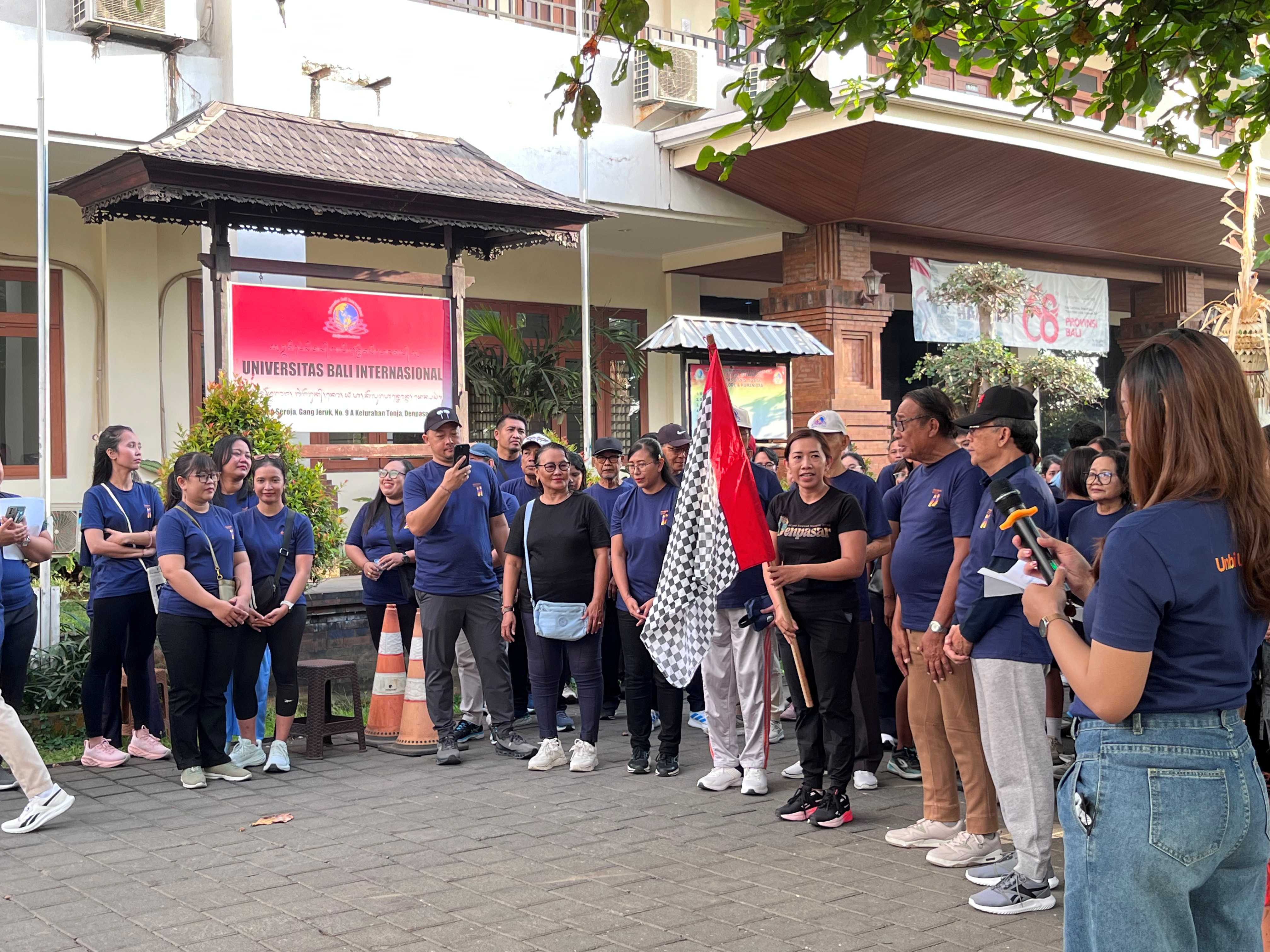
CELEBRATIONS FOR UNBI’S 11TH ANNIVERSARY: PROMOTING “NEW VISION, DRIVING PROGRESS” THROUGH EVENTS RANGING FROM A FUN WALK TO THE UNBIPRENEUR EXPO 2026

UNBI’s 2026 PKKMB CLOSED ON A HIGH NOTE; NEW STUDENTS LEARNED ABOUT ORGANIZATIONS AND SHOWCASED CULTURAL CREATIVITY